Intermittent Fasting 16/8: Your 2026 Beginner's Schedule Guide
SUMMARY
Unlock a healthier you in 2026 with our 16/8 intermittent fasting beginner guide. Learn schedules, benefits, and expert tips for sustainable weight loss and wellness.
TABLE OF CONTENTS
- Unlocking the Power of 16/8 Intermittent Fasting in 2026
- The Health Benefits of Embracing 16/8 IF This Year
- Crafting Your Ideal 16/8 Intermittent Fasting Schedule for 2026
- What to Eat (and Not Eat) During Your Eating Window
- Navigating Common Challenges and Staying Consistent
- Is Intermittent Fasting Right for You? (Precautions & Who Should Avoid)
- Integrating IF into a Modern 2026 Lifestyle
- Conclusion
Are you tired of restrictive diets that leave you feeling hungry, deprived, and ultimately, disappointed? Do you dream of a simpler, more sustainable approach to weight management and overall wellness that doesn't demand constant calorie counting or obscure food rules? In 2026, many are discovering that the answer isn't a new fad, but rather a time-tested pattern of eating that aligns with our body's natural rhythms: intermittent fasting, specifically the popular 16/8 method. This comprehensive guide will equip you with everything you need to confidently begin your 16/8 intermittent fasting journey, offering clear schedules, practical tips, and expert insights to help you achieve your health goals this year.
Unlocking the Power of 16/8 Intermittent Fasting in 2026
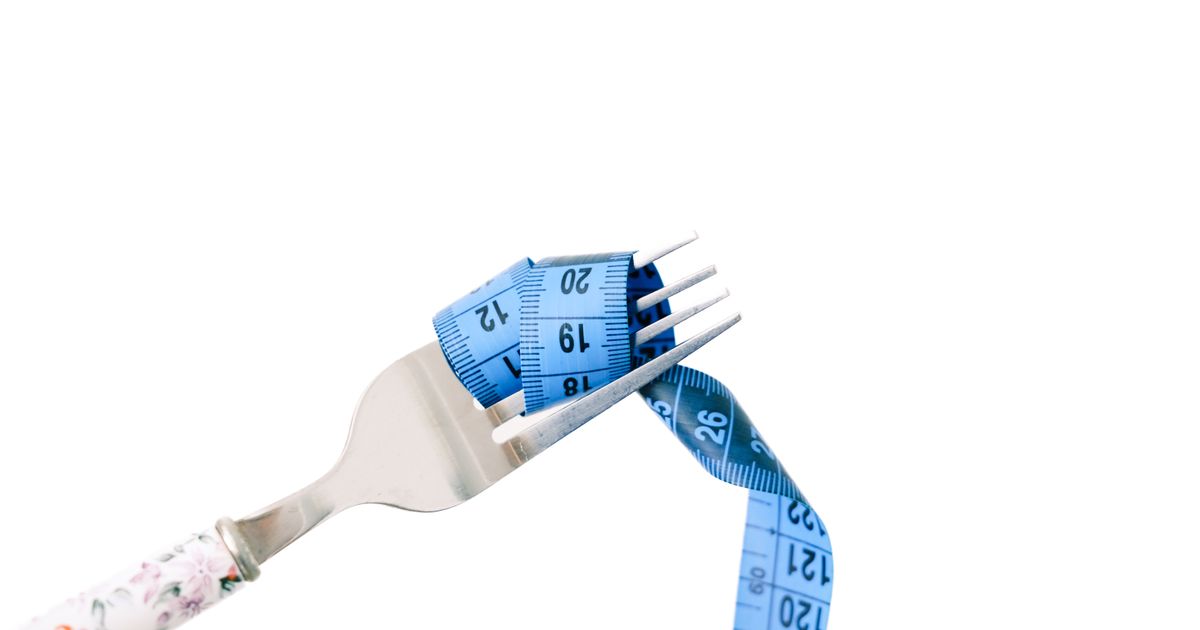
Intermittent fasting (IF) isn't about what you eat, but when you eat. It's an eating pattern that cycles between periods of eating and voluntary fasting. Among the various IF protocols, the 16/8 method stands out as the most popular and often recommended for beginners due to its simplicity and flexibility. The "16/8" refers to fasting for 16 hours each day and restricting your eating to an 8-hour window. For instance, if you finish dinner at 8 PM, you wouldn't eat again until 12 PM the next day, giving your body a 16-hour break from food intake.
This pattern allows your body to switch from burning glucose (sugar) for energy to burning stored fat, a metabolic state known as ketosis, which offers a myriad of health benefits. As of 2026, research continues to highlight IF's potential not just for weight loss, but also for improving metabolic health, increasing longevity, and even enhancing cognitive function. It's a powerful tool that, when adopted correctly, can significantly upgrade your health profile without requiring a complete overhaul of your diet, though focusing on nutrient-dense foods during your eating window is always advisable.
The Health Benefits of Embracing 16/8 IF This Year
The appeal of 16/8 intermittent fasting extends far beyond simple weight loss. By allowing your body extended periods without food, you activate several beneficial biological processes. Here's what you can expect to gain by integrating 16/8 IF into your 2026 routine:
- Sustainable Weight Loss and Fat Reduction: The primary driver for many, IF helps reduce overall calorie intake naturally and shifts your body into a fat-burning state. Studies, including a meta-analysis published in Obesity Reviews (though earlier than 2026, its findings are still relevant), show that IF can lead to a significant reduction in body weight and body fat over time. For example, some participants experience a 3-8% weight loss over 3-24 weeks, according to industry estimates, with a particular focus on visceral fat reduction.
- Improved Metabolic Health: IF can enhance insulin sensitivity, which is crucial for preventing type 2 diabetes. When you fast, your insulin levels drop, allowing your body to become more responsive to insulin when you do eat. This can lead to more stable blood sugar levels and reduced risk of chronic diseases.
- Cellular Repair (Autophagy): During fasting, your body initiates cellular repair processes, including autophagy – where cells clean out damaged components and regenerate new, healthier ones. Think of it as your body's self-cleaning and recycling program, vital for cellular health and longevity.
- Reduced Inflammation: Chronic inflammation is linked to numerous health problems, from heart disease to autoimmune disorders. Intermittent fasting has been shown to reduce markers of inflammation in the body, contributing to overall well-being.
- Brain Health and Neuroprotection: Emerging research suggests that IF may boost brain-derived neurotrophic factor (BDNF), a protein that supports the growth of new brain cells and protects existing ones. This could potentially improve cognitive function and offer protection against neurodegenerative diseases. Just as you might invest in premium software for brain training, IF offers a natural, biological boost.
- Simplicity and Flexibility: Unlike many rigid diets, 16/8 IF is easy to integrate into a busy 2026 lifestyle. There's no complex meal prep or tracking required outside of your eating window. This simplicity makes it a highly sustainable approach for the long term.
Crafting Your Ideal 16/8 Intermittent Fasting Schedule for 2026
The beauty of the 16/8 method lies in its adaptability. You can tailor your 8-hour eating window to fit your daily routine. The most common approach involves skipping breakfast, but you can also shift your window to skip dinner if that better suits your lifestyle. Here’s a step-by-step guide to creating your personalized 16/8 schedule:

- Identify Your Natural Eating Habits: Are you typically a breakfast person, or do you often skip it anyway? Do you enjoy late dinners, or do you prefer to eat earlier? Understanding your current patterns will help you choose the most comfortable fasting window.
- Choose Your 8-Hour Eating Window: This is the period when you consume all your meals. For most beginners, pushing breakfast back or eating dinner earlier are the easiest adjustments. Here are two popular examples:
- Option A (Skip Breakfast): Eating window from 12:00 PM to 8:00 PM. Your last meal would be by 8 PM, and your first meal the next day would be at 12 PM. This means you're fasting from 8 PM to 12 PM (16 hours). This is ideal for those who aren't usually hungry in the mornings.
- Option B (Earlier Dinner): Eating window from 9:00 AM to 5:00 PM. Your last meal would be by 5 PM, and your first meal the next day would be at 9 AM. This works well for early risers or those who prefer not to eat late in the evening.
- Plan Your Meals: Within your 8-hour window, you'll typically have two or three meals. Focus on nutrient-dense, whole foods. Don't use the eating window as an excuse to overeat or consume unhealthy foods, as this will counteract the benefits of IF.
- Stay Hydrated During Your Fasting Window: This is critical. Drink plenty of water, black coffee, or plain unsweetened tea. These beverages won't break your fast and can help manage hunger.
- Be Patient and Adjust: Your body needs time to adapt. The first few days might be challenging as your body adjusts to the new eating pattern. Don't be afraid to tweak your schedule slightly until you find what feels most sustainable for you. Think of it as fine-tuning your metabolic software for optimal performance.
Here's a simple table illustrating common 16/8 schedules:
What to Eat (and Not Eat) During Your Eating Window
While 16/8 intermittent fasting provides freedom from constant food obsession, the quality of your food choices during your 8-hour eating window significantly impacts your results. This isn't a license to binge on processed junk food. To maximize the benefits, focus on a balanced, nutrient-rich diet.
Focus on:
- Whole, Unprocessed Foods: Prioritize fruits, vegetables, lean proteins (chicken, fish, eggs, tofu), healthy fats (avocado, nuts, seeds, olive oil), and whole grains (quinoa, brown rice, oats). These foods provide sustained energy and essential nutrients.
- Plenty of Protein: Protein helps you feel full and satisfied, which is crucial for managing hunger, especially as you transition from your fasting period. Aim for a good source of protein with each meal.
- Fiber-Rich Foods: Vegetables, fruits, legumes, and whole grains are packed with fiber, which aids digestion and promotes satiety.
- Healthy Fats: Incorporate sources like avocados, nuts, seeds, and fatty fish (salmon, mackerel). Healthy fats are essential for hormone production and can help keep you feeling full.
- Hydration: Continue to drink plenty of water, even during your eating window. Sometimes thirst can be mistaken for hunger.
Limit or Avoid:
- Sugary Drinks and Processed Foods: These offer little nutritional value, can spike blood sugar, and undermine your health goals. Think of the long-term cost, similar to an expensive premium payment on an unnecessary service.
- Excessive Snacking: While you have an 8-hour window, try to stick to 2-3 substantial meals rather than constant grazing. This helps maintain stable insulin levels.
- Refined Grains: White bread, pasta, and pastries can lead to energy crashes and don't offer the same nutritional benefits as whole grains.
Remember, just as you'd meticulously plan a mortgage refinance to optimize your finances, planning your nutrition during your eating window is key to optimizing your health results with IF.
Navigating Common Challenges and Staying Consistent
Starting any new health regimen comes with its hurdles. Intermittent fasting is no exception, but with awareness and strategies, you can overcome them and make 16/8 a sustainable part of your 2026 lifestyle.
- Hunger Pangs: This is the most common challenge, especially in the first few days. Drink plenty of water, black coffee, or unsweetened tea. Distract yourself with activities. Remember, hunger often comes in waves and will pass. Many find that hunger subsides significantly after the first week as their body adapts.
- Low Energy/Headaches: Some people experience mild fatigue or headaches initially as their body transitions to burning fat for fuel. Ensuring adequate hydration and electrolyte intake (a pinch of sea salt in water can help) can alleviate these symptoms. If symptoms persist, consult a healthcare professional.
- Social Situations: Dining out or social events can be tricky. Be upfront with friends and family about your fasting schedule. You can often choose to eat an earlier or later meal, or opt for non-caloric beverages during the fasting window. Flexibility is key; don't let one missed fast derail your entire effort.
- Lack of Sleep: Poor sleep can disrupt hormones that regulate hunger, making fasting harder. Prioritize 7-9 hours of quality sleep each night. Just as good sleep is crucial for mental clarity, it's a non-negotiable for successful IF.
- Overeating During the Eating Window: It's tempting to compensate for the fasting period by overeating. Focus on mindful eating, stopping when you're satisfied, not stuffed. Remember, IF is not an excuse for unhealthy eating habits.
Consistency is more important than perfection. If you miss a fast or indulge outside your window, simply get back on track with your next scheduled fast. Don't let perfection be the enemy of progress.
Is Intermittent Fasting Right for You? (Precautions & Who Should Avoid)
While 16/8 intermittent fasting offers compelling benefits for many, it's not universally suitable. It's crucial to approach IF responsibly and, ideally, under medical guidance, particularly if you have underlying health conditions. Consulting a doctor or a registered dietitian before starting any new dietary regimen is as crucial as consulting a lawyer for legal matters or understanding your insurance policy.
Individuals who should exercise extreme caution or avoid IF altogether include:
- Pregnant or Breastfeeding Women: Nutritional needs are elevated during these periods, and fasting could pose risks to both mother and child.
- Individuals with a History of Eating Disorders: IF can potentially trigger or exacerbate disordered eating patterns.
- People with Type 1 Diabetes or Those on Blood Sugar-Lowering Medications: Fasting can lead to dangerous drops in blood sugar (hypoglycemia). Close medical supervision is essential.
- Individuals with Low Blood Pressure: IF may further lower blood pressure.
- Those with Chronic Medical Conditions: Conditions like kidney disease, liver disease, or heart conditions require careful management, and IF might interact with medications or disease progression.
- Underweight Individuals: IF is generally not recommended for those who are underweight or struggling to maintain a healthy weight.
Always listen to your body. If you experience persistent dizziness, extreme fatigue, nausea, or any other concerning symptoms, stop fasting and seek medical advice immediately. Your health and safety are paramount.
Recommended on Amazon
intermittent fasting book
Find on Amazon →As an Amazon Associate, we earn from qualifying purchases.
Integrating IF into a Modern 2026 Lifestyle
In our fast-paced world, integrating a new eating pattern might seem daunting. However, 16/8 IF's flexibility makes it highly adaptable to various lifestyles in 2026. Here are some tips for seamless integration:
- Work Schedule: If your job demands early mornings, consider an eating window that starts earlier, like 9 AM-5 PM. If you work late, a 1 PM-9 PM window might be better. Pack your meals to ensure you have healthy options during your eating period.
- Exercise: You can exercise during your fasting window. Many find they have good energy for workouts, especially if they're well-hydrated. If intense workouts leave you drained, consider timing your eating window around your training sessions to refuel properly.
- Travel: While traveling can disrupt routines, IF can be quite convenient. Skipping a plane meal or airport snack can simplify travel logistics and avoid unhealthy options. Just be mindful of time zone changes.
- Family Meals: If family dinners are important, adjust your eating window to accommodate them. For example, if dinner is at 6 PM, ensure your window allows you to eat then, perhaps starting your first meal at 10 AM. Think of it as a metabolic refinance – adjusting your timing to optimize returns.
- Tracking Progress: Consider using a simple software app to track your fasting and eating windows. Many free options are available as of 2026 that can help you stay accountable and visualize your progress. Some health insurance providers are even starting to offer wellness incentives for those adopting healthy lifestyles like IF, so check your policy details.
Remember, intermittent fasting is a tool, not a dogma. It should enhance your life, not complicate it. Embrace the flexibility and make it work for you.
Conclusion
Intermittent fasting, particularly the 16/8 method, offers a powerful yet straightforward path to improved health and sustainable weight management in 2026. By understanding its principles, crafting a personalized schedule, and focusing on nutrient-dense foods, you can unlock a host of benefits from enhanced metabolic health to cellular rejuvenation. While challenges may arise, staying consistent and prioritizing your well-being will lead to lasting success.
TL;DR: * The 16/8 intermittent fasting method involves fasting for 16 hours and eating within an 8-hour window daily. * Benefits include weight loss, improved metabolic health, cellular repair, and enhanced brain function. * Customize your schedule, prioritize whole foods during eating hours, and stay hydrated, consulting a doctor if you have health concerns.
Ready to transform your health in 2026? Start your 16/8 intermittent fasting journey today and discover a simpler, more effective way to achieve your wellness goals! For more in-depth guides and personalized meal plans, subscribe to our newsletter.
💡 도움이 되셨나요?
이 글이 유용했다면 구독과 공유를 부탁드립니다!
The 4th Path · by 22B Labs


Comments
Post a Comment